 Studio is private Studio is private
 AI-generated still
One video passes five stations in order. The models do the slow work at each one; a person decides whether it moves on.
Every video starts on the Ideas board as a question a viewer would type, with one line that says why they would watch. Ideas that need a real face, real news footage or a real person's voice are turned away at this stage.
The Writer's Room drafts the script with Claude models from Anthropic, then rewrites each line to be spoken aloud. A person checks every fact, removes anything unsourced and cuts the title down to one clear promise.
Each line of the script becomes a shot note, and each shot note becomes a still made with Google's Gemini image model. We review the stills like a contact sheet and remake the weak ones before anything moves.
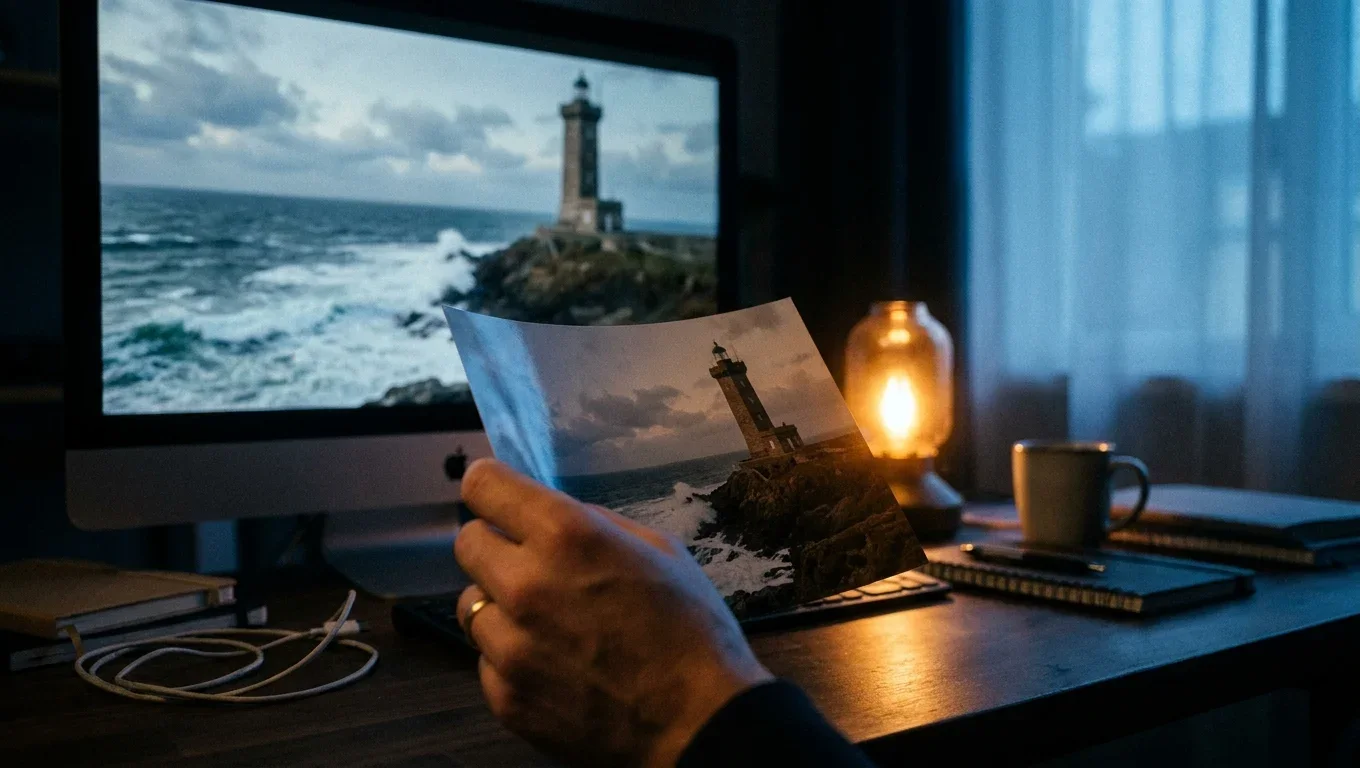
The strongest stills go to Kling, a third-party video model, with a short motion prompt: one camera move, one thing that moves. Every clip is scrubbed for warped hands and drifting faces, and sent back if anything slips.
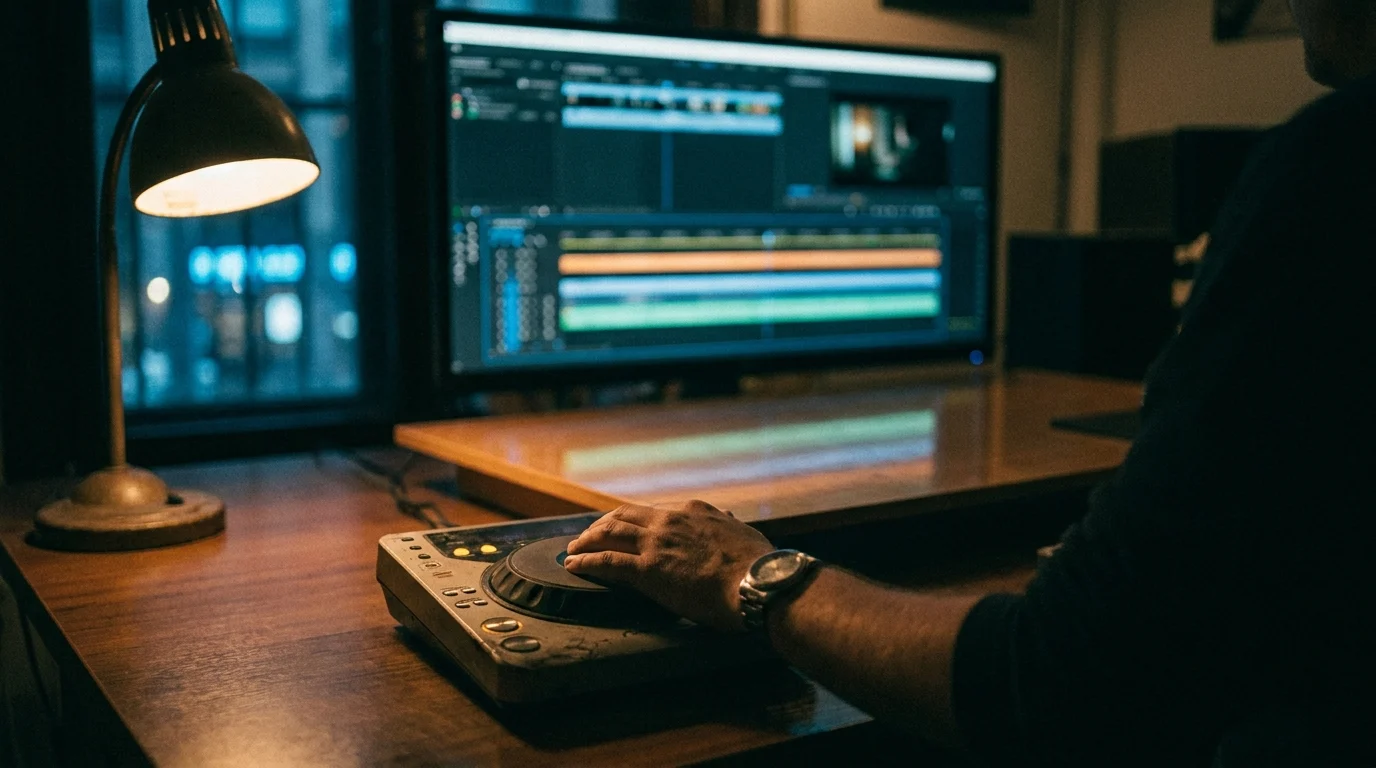
The Editor lays the voice, shots, captions and sound on one timeline, and the Shorts tab cuts vertical moments from the long video. A person watches the full render, writes the chapters, and marks AI content in YouTube's upload settings.
Cinetana is a web studio. It ties together models made by other companies; we did not build any of them.
The studio keeps a cost meter for every model call, so we know what each video costs to make. When a guide quotes a cost, it comes from that meter, with the date.
Each stage has its own topic, with guides shown on our own work.